Plik:Liaoningornis 048.JPG

Z Encyklopedia Dinozaury.com
Skocz do: nawigacja, szukaj
Rozmiar pierwotny(1764 × 1532 pikseli, rozmiar pliku: 304 KB, typ MIME: image/jpeg)

Ten plik znajduje się w Wikimedia Commons i może być używany w innych projektach. Poniżej znajdują się informacje ze strony opisu tego pliku.

Opis

Opis
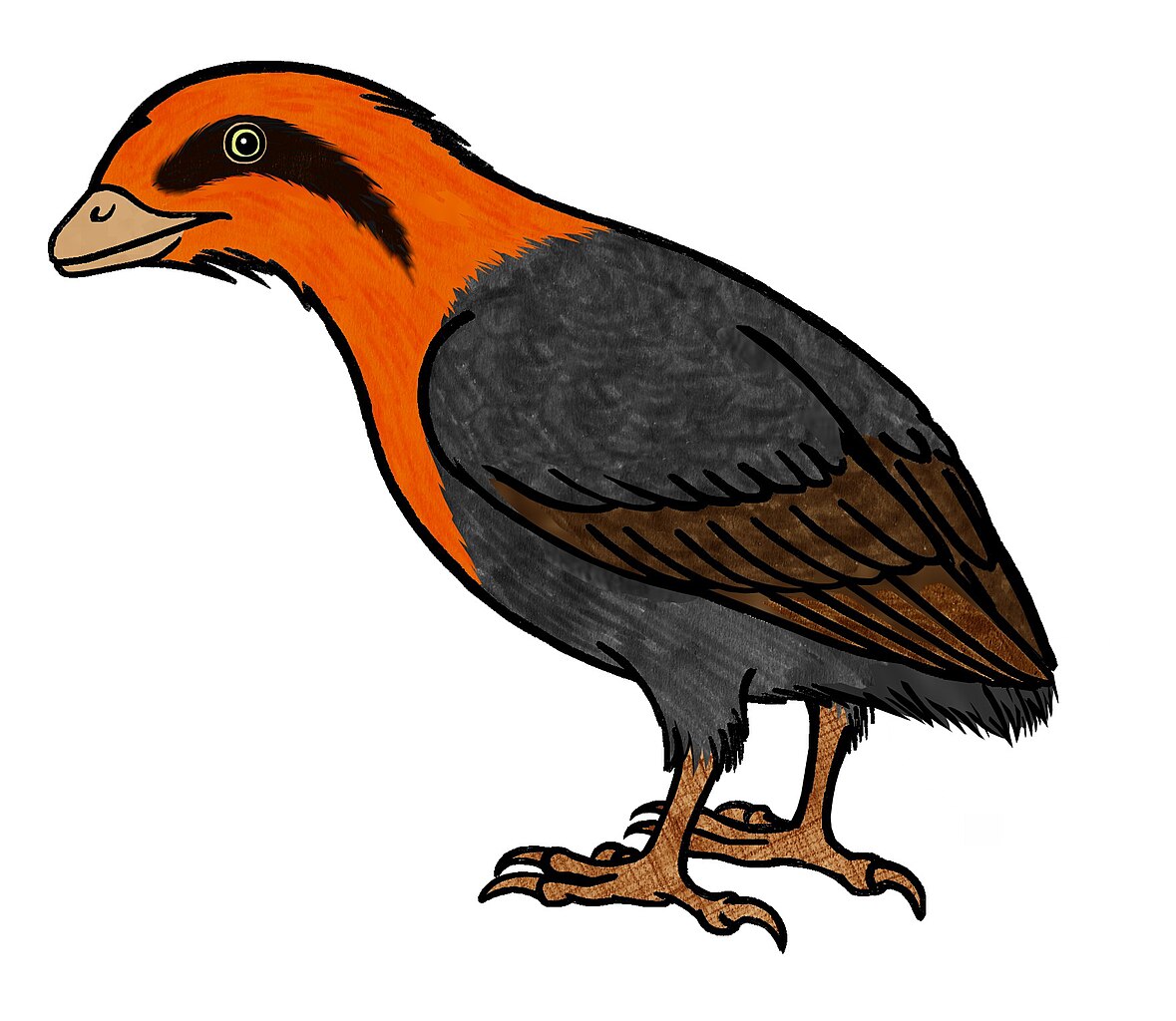
English: Guess on how the cretaceous bird Liaoningornis could have looked.

The first two versions of this file were based on a bird fossil picture from the islamic fossil book Atlas of Creation II by Harun Yahya[1] that I originally found on Google Images. I subsequently realized that Liaoningornis are still only known from the holotype fossil IVPP 11303.[2]

  • Head: the two previous versions of my Liaoningornis restorations were restored with a horny, toothless beak, based on the fossil misattributed to Liaoningornis in Atlas of Creation II. [1] The Liaoningornis holotype does not preserve a skull, but as a member of the enantiornithes clade, it is likely that it had jaws with small teeth (which might have been covered by lips, as depicted here). The "ginger" read colour is a guess, after recommendations I got at the WikiProject Dinosaurs/Image review-page.[3]
  • Tail feathers: the two previous versions of my Liaoningornis restoration had a fan of tail feathers like modern birds. The present version were first restored with a few enlarged contour feathers, as a 2012 study reclassified Liaoningornis as a member of enantiornithes, a clade of birds in which evidence for tail feathers forming “aerodynamic rectricial fans” like modern birds used to be unknown[4] (though the discovery of Chiappeavis have started to change this).[5] After recommendations, I removed the rudimentary tail feathers.[3]

References

  1. a b [1]
  2. Hou L (1997). “A carinate bird from the Upper Jurassic of western Liaoning, China”. Chinese Science Bulletin 42(5): p. 413-417
  3. a b WikiProject Dinosaurs/Image review: "Liaoningornis" (December, 2021)
  4. Clarke J.A. et.al. (2006). “Insight into the evolution of avian flight from a new clade of Early Cretaceous ornithurines from China and the morphology of Yixianornis grabaui”. Journal of Anatomy 208(3): p. 287-308. DOI: 10.1111/j.1469-7580.2006.00534.x
  5. O’Connor J.K. et.al. (2016). ”An Enantiornithine with a Fan-Shaped Tail, and the Evolution of the Rectricial Complex in Early Birds”. Current Biology 26(1): p. 114-119
Źródło Praca własna
Autor Conty

Licencja

Ja, właściciel praw autorskich do tego dzieła, udostępniam je na poniższej licencji
w:pl:Licencje Creative Commons
uznanie autorstwa
Ten plik udostępniony jest na licencji Creative Commons Uznanie autorstwa 3.0.
Wolno:
  • dzielić się – kopiować, rozpowszechniać, odtwarzać i wykonywać utwór
  • modyfikować – tworzyć utwory zależne
Na następujących warunkach:
  • uznanie autorstwa – musisz określić autorstwo utworu, podać link do licencji, a także wskazać czy utwór został zmieniony. Możesz to zrobić w każdy rozsądny sposób, o ile nie będzie to sugerować, że licencjodawca popiera Ciebie lub Twoje użycie utworu.

Podpisy

Dodaj jednolinijkowe objaśnienie tego, co ten plik pokazuje

Obiekty przedstawione na tym zdjęciu

przedstawia

image/jpeg

311 088 bajt

1532 piksel

1764 piksel

7efd80703a8f19c46626036057f04dc70f59a42a

Historia pliku

Kliknij na datę/czas, aby zobaczyć, jak plik wyglądał w tym czasie.

Data i czasMiniaturaWymiaryUżytkownikOpis
aktualny13:52, 24 gru 2021Miniatura wersji z 13:52, 24 gru 20211764 × 1532 (304 KB)ContyShorter metatarsals, correcting length of primary and secondary feathers, removing tail feathers, changing colour of head to a more "ginger" tone.

Poniższa strona odwołuje się do tego pliku: